
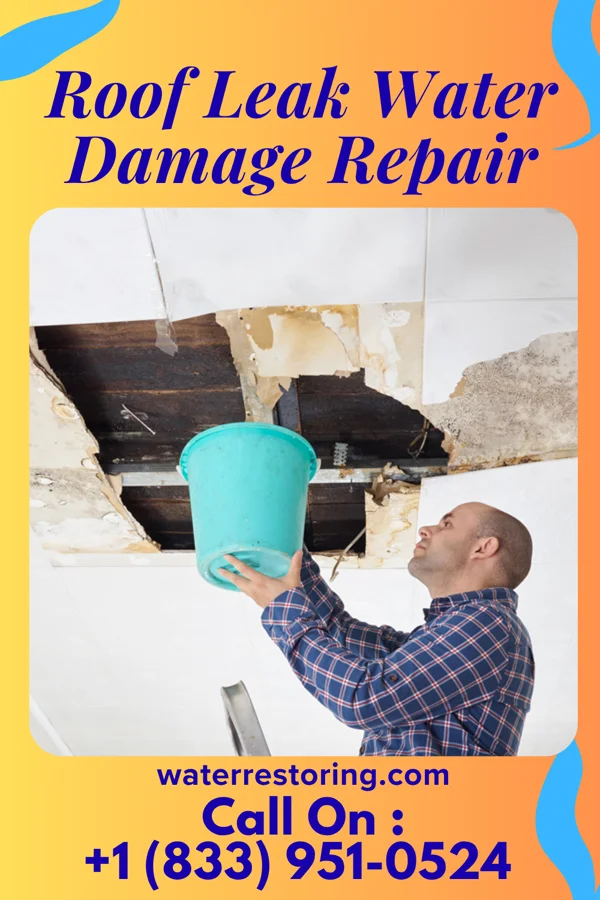
When Gilmore City Properties Need Roof Leak Repair
Water damage in Gilmore City usually starts with Gilmore City, Iowa experiences frequent spring and early summer thunderstorms that can lead to sudden heavy rainfall and strong winds. These conditions often result in roof leaks, especially on older or improperly maintained structures. The region's flat terrain and lack of natural drainage can exacerbate water pooling on rooftops.. A close second is In the late summer and early fall, Gilmore City is prone to prolonged periods of overcast skies and steady rain, which can cause gradual roof deterioration. This is compounded by occasional late-season frosts that may weaken roofing materials, increasing the likelihood of leaks during the following winter months.. Professional restoration follows the IICRC protocol on every job. Assess. Extract. Dry. Sanitize. Document.
Gilmore City's climate, characterized by frequent rainfall and temperature fluctuations, creates a high risk of water damage to residential properties. The combination of wet weather and cold winters can lead to ice dams and condensation issues, both of which contribute to long-term roof damage and interior water infiltration.
Water damage in Gilmore City follows a few local patterns. Gilmore City, Iowa experiences frequent spring and early summer thunderstorms that can lead to sudden heavy rainfall and strong winds. These conditions often result in roof leaks, especially on older or improperly maintained structures. The region's flat terrain and lack of natural drainage can exacerbate water pooling on rooftops. accounts for the bulk of our calls. Gilmore City's climate, characterized by frequent rainfall and temperature fluctuations, creates a high risk of water damage to residential properties. The combination of wet weather and cold winters can lead to ice dams and condensation issues, both of which contribute to long-term roof damage and interior water infiltration. Mold can develop within 48 hours of water intrusion in Gilmore City due to the region's humid summer conditions and frequent rainfall. Once mold takes hold, it can cause long-term health issues and structural damage, particularly in homes with poor ventilation or inadequate insulation.